Your Phone Is a Casino Door: Why One Device Should Never Hold Both Your Life and Your Bets
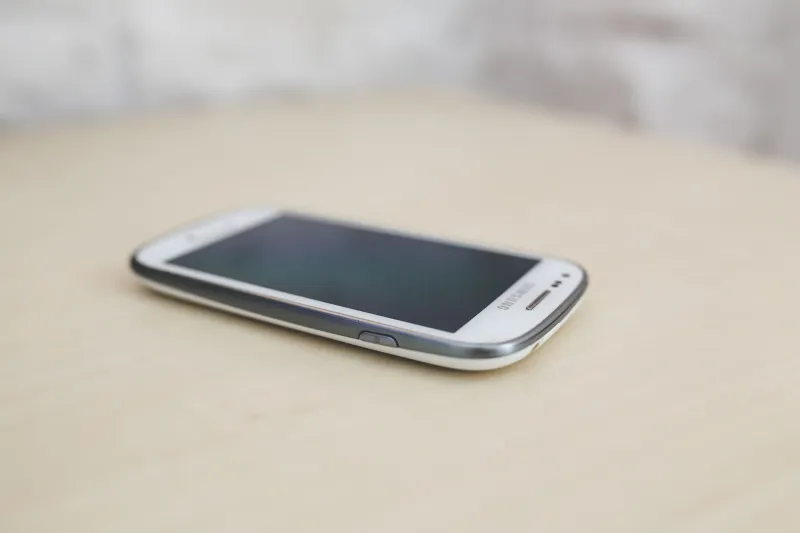
Think about how many times a day you pick up your phone. Research pegs it somewhere north of 90 times for the average American. Now think about what happens when your betting app lives on that same device, one thumb-tap away from every notification, every bored moment, every late-night scroll.
That's not convenience. That's exposure.
The Platform's Biggest Weapon Is a Straight Path
Online gaming platforms don't need tricks when they have proximity. If the app sits on your home screen next to your banking app, your texts, and your fantasy football lineup, every idle second becomes a potential session. Friction — the tiny amount of effort between impulse and action — is the only thing standing between you and a 2 a.m. deposit you didn't plan.
The industry understands this better than anyone. Every optimization, every push notification, every "you've been away" nudge exists to shorten the path between you and the game. Your job is to lengthen it.
Enter the Two-Device Rule
The concept is dead simple: your gaming life lives on one device, and your real life lives on another. That spare Android in your junk drawer? That's your Satta Kingg phone now. No personal email, no social media, no work Slack. Just the game, and nothing that drags you toward it when you shouldn't be there.
No spare phone? A locked-down browser profile works almost as well. Create a separate Chrome or Firefox profile used only for gaming. Log out when you're done. Don't save the password. The extra thirty seconds of setup is the point.
Why Friction Works When Willpower Doesn't
Behavioral scientists call them "commitment devices" — obstacles you place in your own way, in advance, to protect you from your future self. Ulysses tying himself to the mast is the classic example. A dedicated gaming device is the same move, adapted for the American player in 2025.
Here's what the friction buys you:
- A pause. Walking to the other room to grab the gaming phone creates a gap where your rational brain can catch up to your impulsive one.
- A boundary. When the gaming phone stays in a drawer, gaming becomes something you do, not something you are available for.
- A signal to yourself. You're telling your own brain: this is a scheduled activity, not a reflex.
Setting It Up Tonight
- Pick the device. Old phone, tablet, or a browser profile — anything that isn't your daily driver.
- Strip it down. No personal accounts, no notifications except the platform itself.
- Set a home base. A drawer, a shelf, a specific spot. Devices that live in pockets get used. Devices that live in drawers get chosen.
- Keep the charger out of the bedroom. If the gaming device can't follow you to bed, it can't follow you into a 1 a.m. spiral.
- Log out after every session. Make re-entry a deliberate act.
The Obvious Pushback
"But I want to check my results during lunch." Fine — that's exactly what the friction is testing. If checking results is worth walking to the drawer, it's a decision. If it's not worth the walk, it was an urge, and you just dodged it.
The players who last on Satta Kingg aren't the ones with iron willpower. They're the ones who stopped scheduling willpower battles in the first place. Two devices. One drawer. Zero accidental sessions.